
HOPE
Cancer and rare diseases
People with serious illnesses are at the centre. Independent second opinions and suitable clinical trials can reveal new options.
What you gain
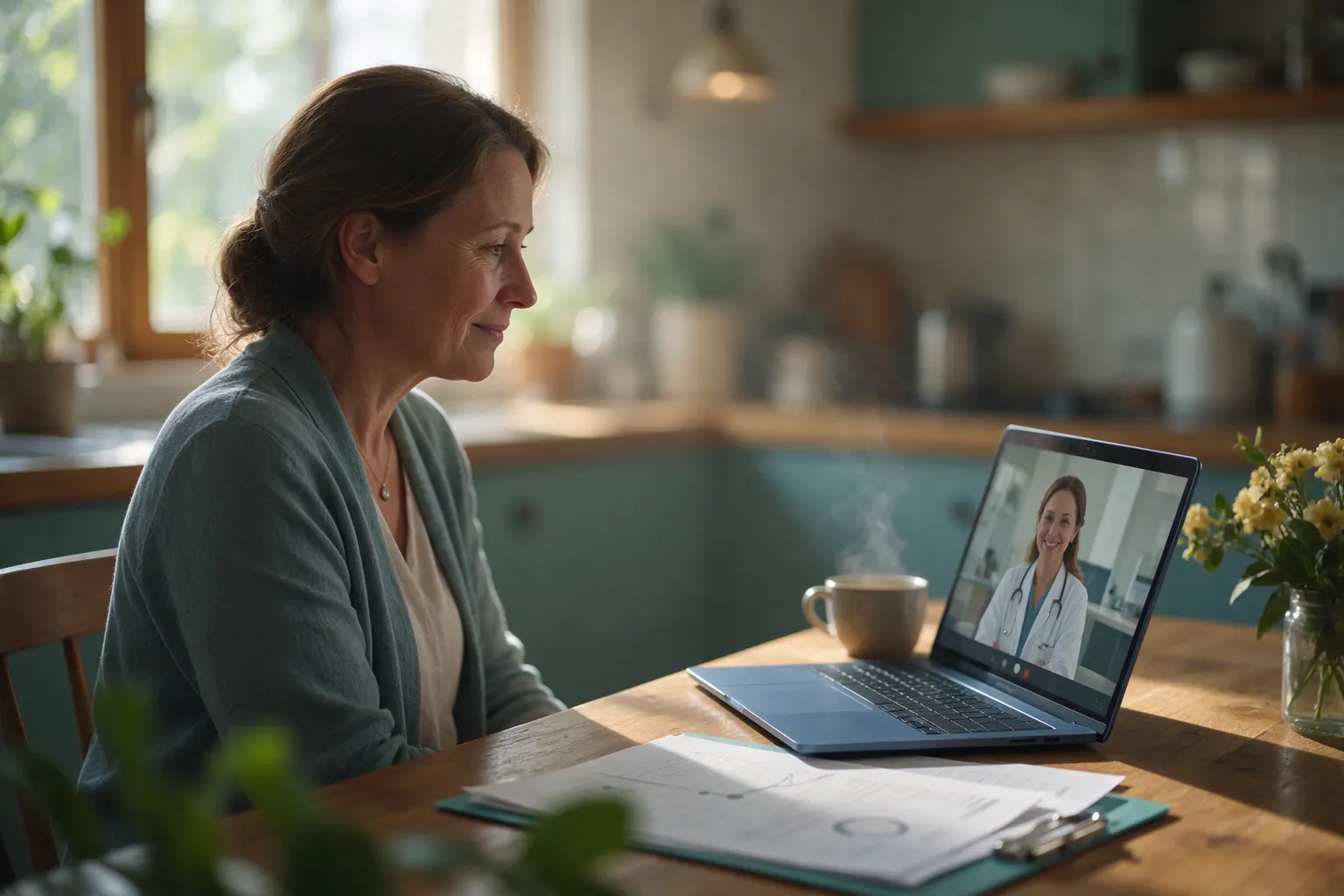
Independent second opinion from verified specialists
Your findings and treatment history in one secure place
Guidance on clinical trials you may be eligible for
Three paths to greater clarity
Second opinion
An independent specialist reviews your diagnosis and treatment plan based on your original findings.
Tumour board
Several specialties – such as oncology, surgery, radiology and pathology – discuss your case together.
Trial criteria
We explain in plain language the inclusion and exclusion criteria of ongoing trials. Participation is decided by the trial doctors.
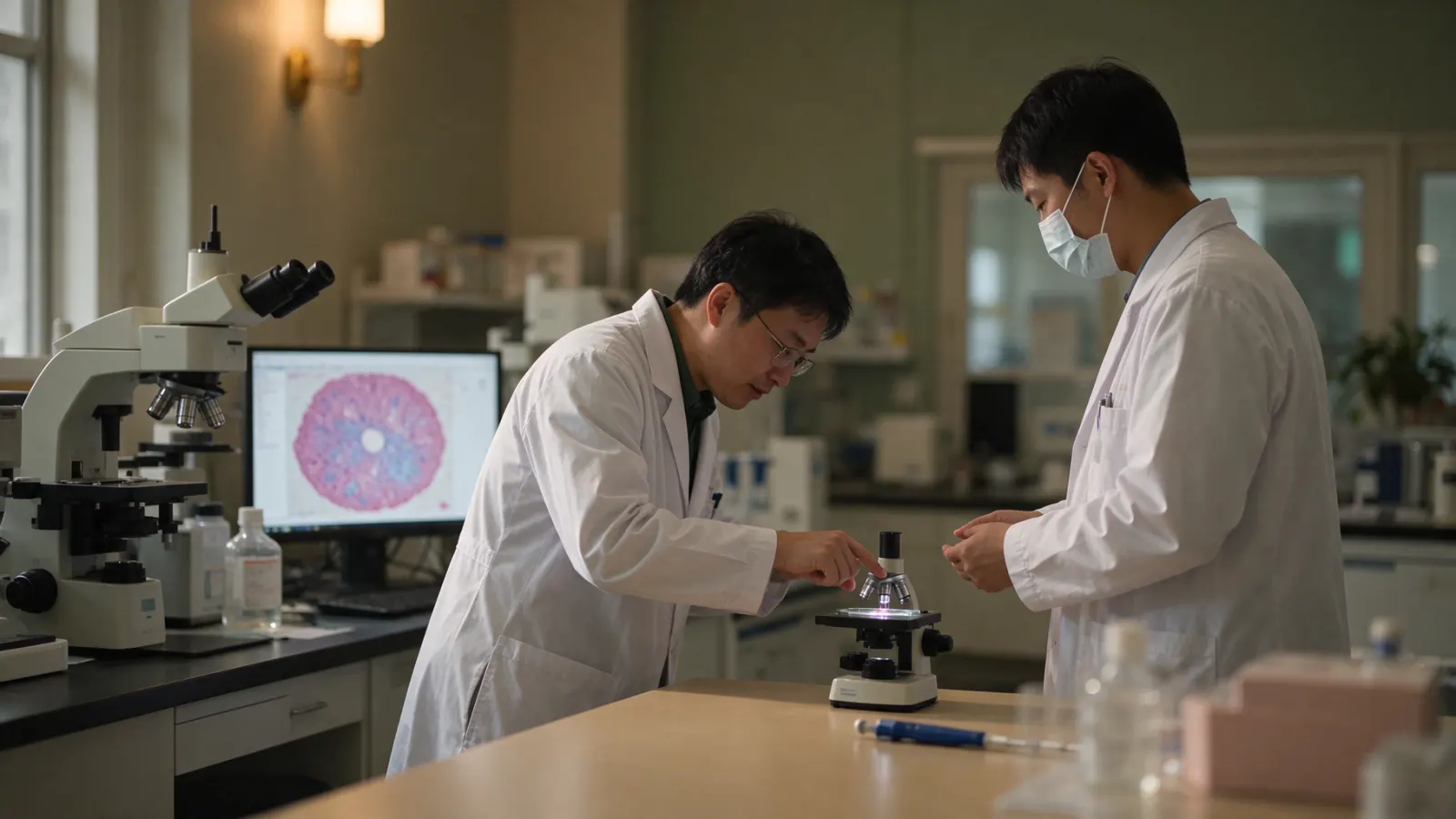
Find clinical studies
See, in plain language, the inclusion and exclusion criteria of ongoing studies – and which questions to discuss with your care team.
Only the study doctors decide whether you can take part.
View studies →Platform features
- Findings
- Treatment history
- Tumour board
- Trial criteria
- No promises of cure
Development stage: P0 – first version
How it works
Gather findings, imaging and treatment history
Clinical pre-screening for completeness
Second opinion or presentation to a tumour board
Discuss the options with your treating doctors
Risks and limitations
- A second opinion may confirm the existing recommendation – that, too, is a valuable outcome.
- Whether a trial is suitable is decided solely by the trial doctors, based on the inclusion and exclusion criteria.
- Experimental therapies carry unknown risks and are not an alternative to standard care without careful medical consideration.
Ready for the next step?
You decide who may see your records. You can revoke access at any time.